48 hours’ notice, then one to two days in the air. From your message to your passerelle is about three days. Everything in between is ours to organise, and none of it needs a single email from you. The one exception is your first order into a country that wants an import permit, and it is worth understanding why.
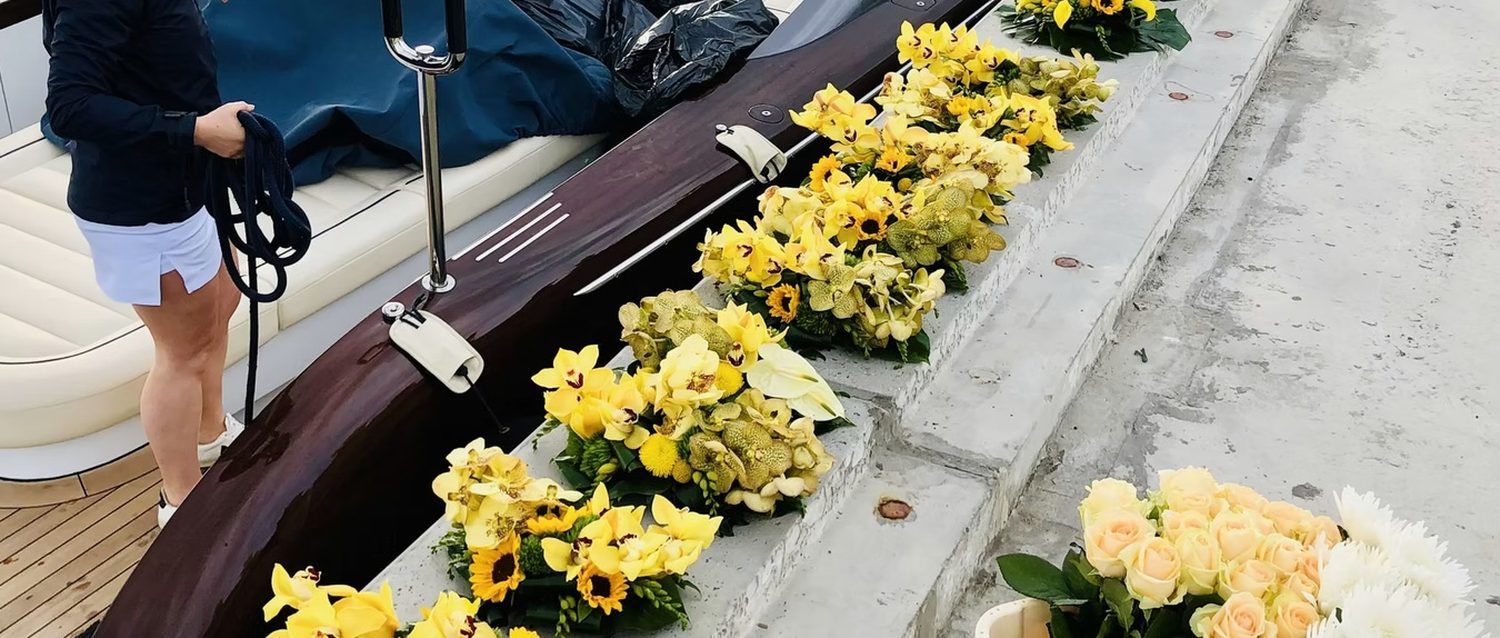
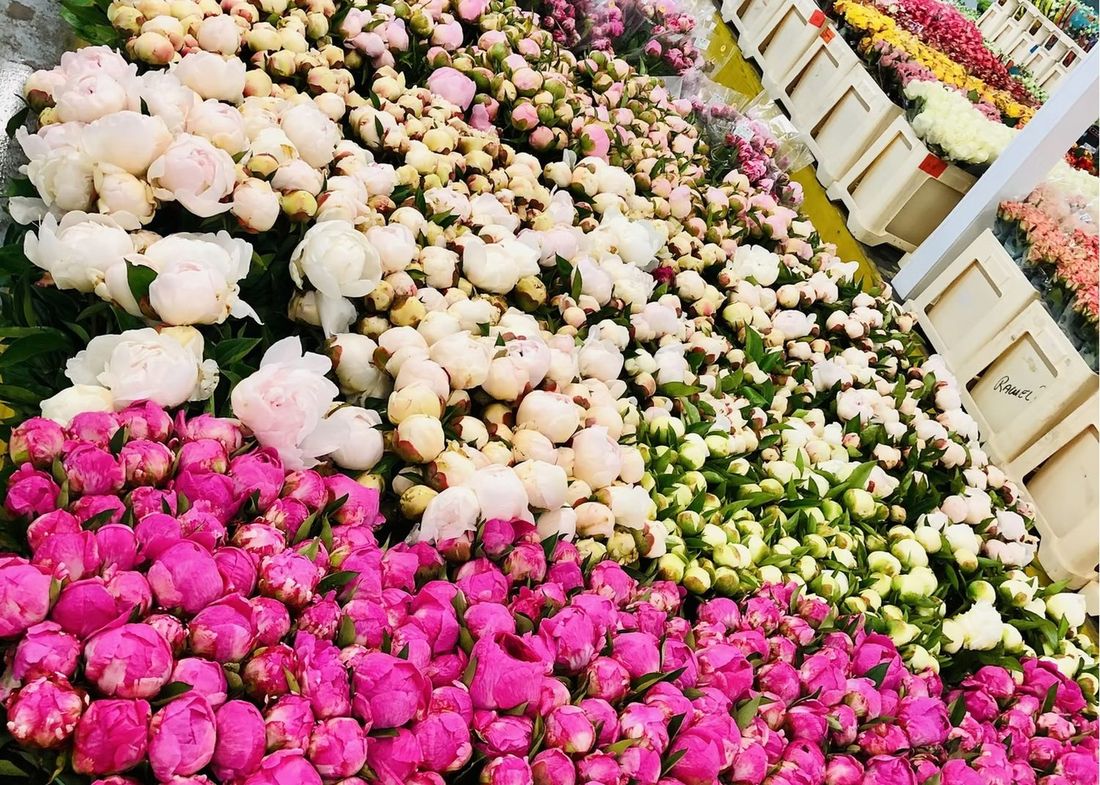
We buy at the Aalsmeer auction the morning the order goes out, straight from the Dutch growers. Everything is chosen against your list, so what you asked for is what gets on the plane.
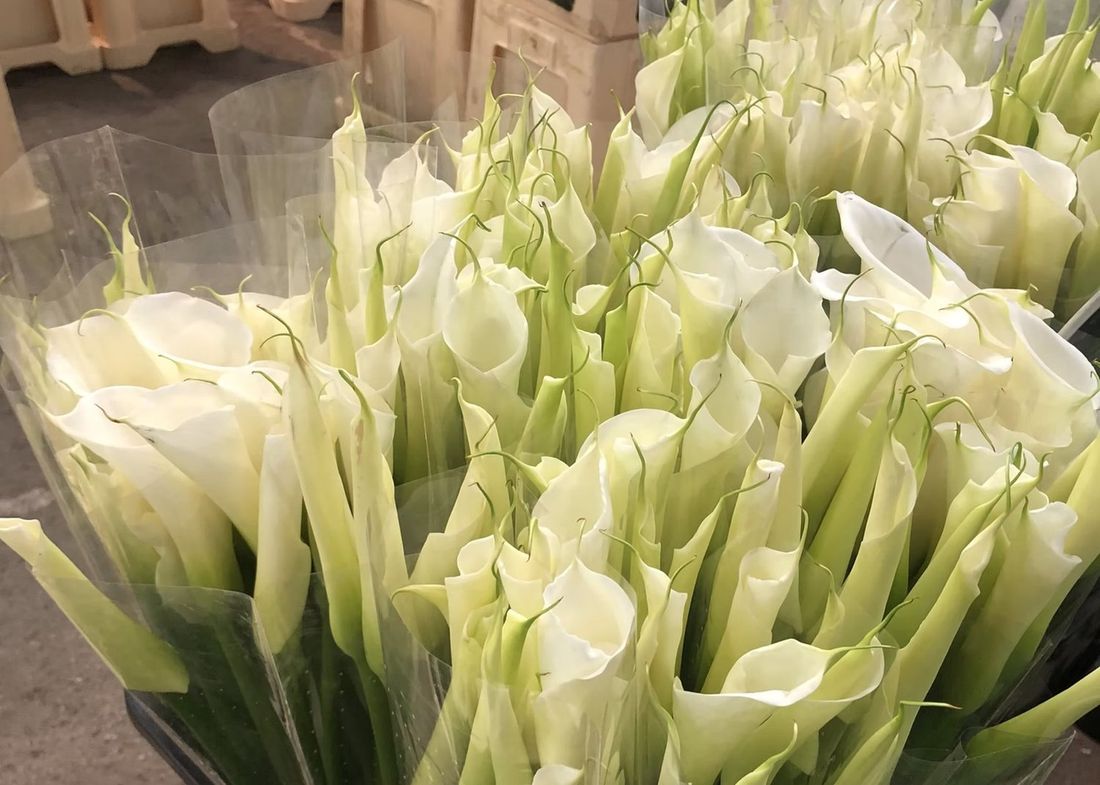
Boxes are numbered, packed with the flowers already cold, and inspected before they leave. The Dutch plant health officer signs the certificate on the spot, which is why this takes hours and not days.
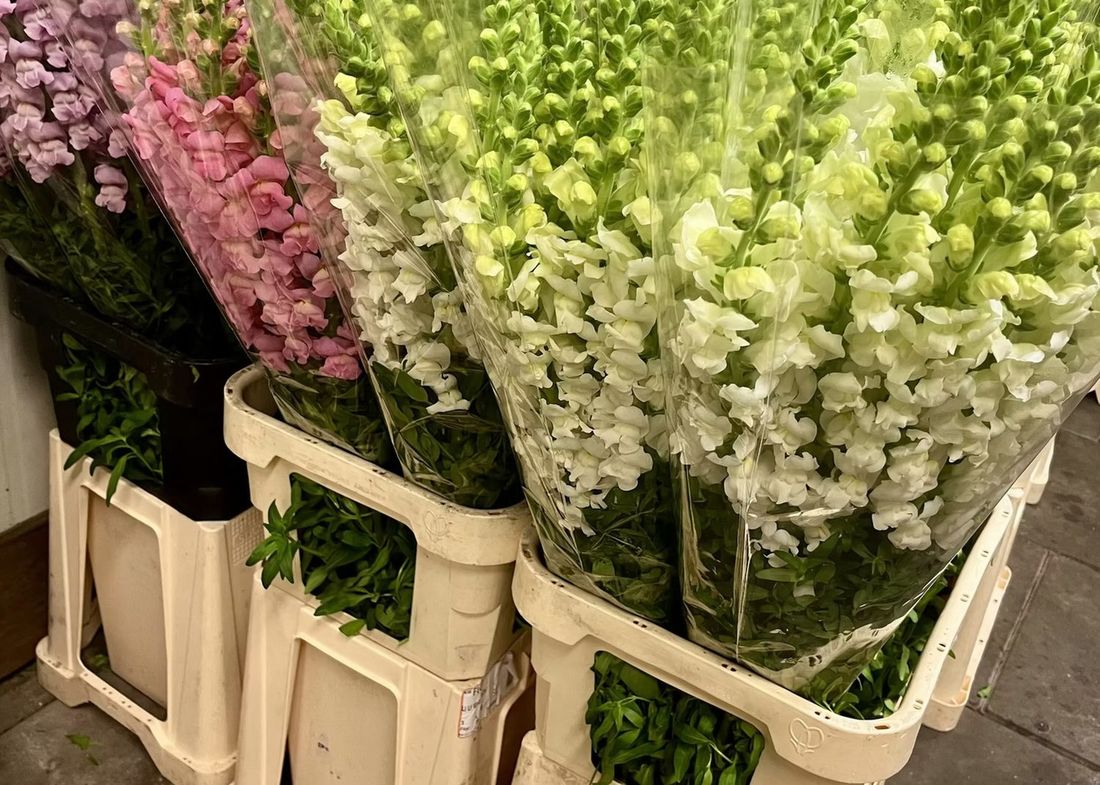
Trucked to Schiphol and flown in the cold hold, consigned to the yacht as stores in transit. That wording is what keeps the boxes out of import duty at the other end.
The agent at the airport, yours if you already have one and ours if you do not, has the paperwork two days ahead and meets the flight. If something needs sorting at the border, it gets sorted there.
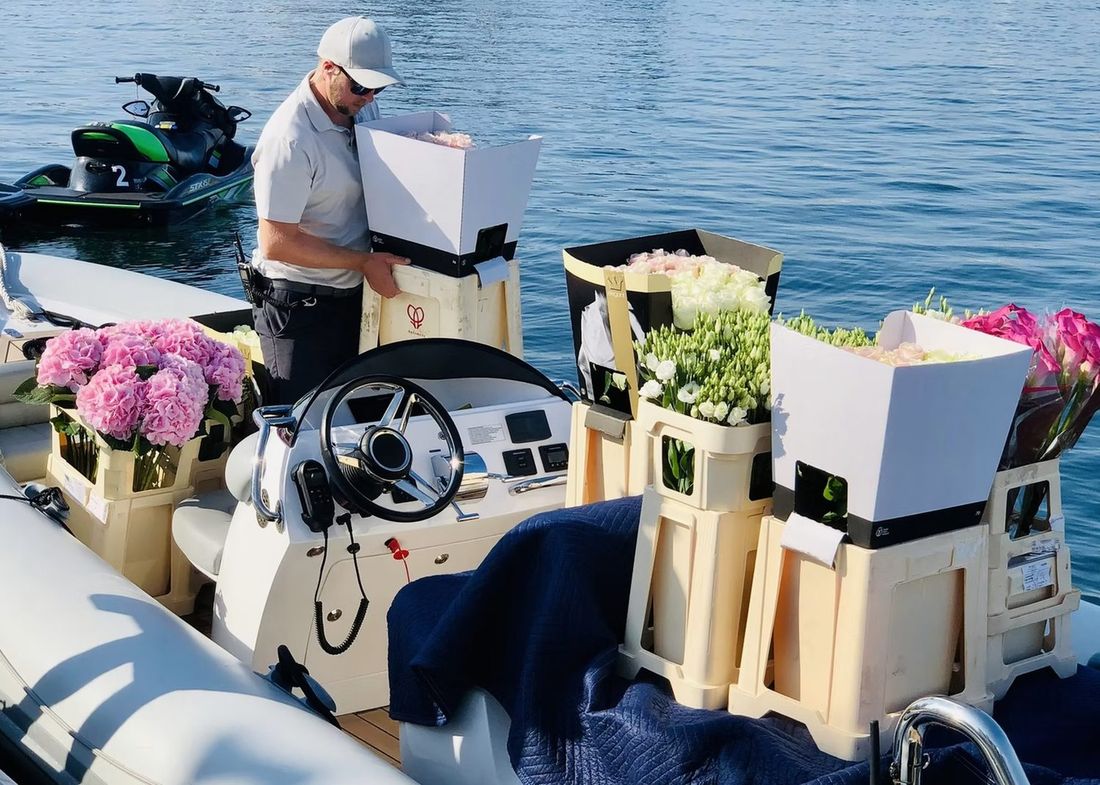
Delivered by hand at the passerelle, in the boxes as listed, cold the whole way. Arrange them yourself or we can send someone to do it on board. If anything is not right, tell us and we fix it.
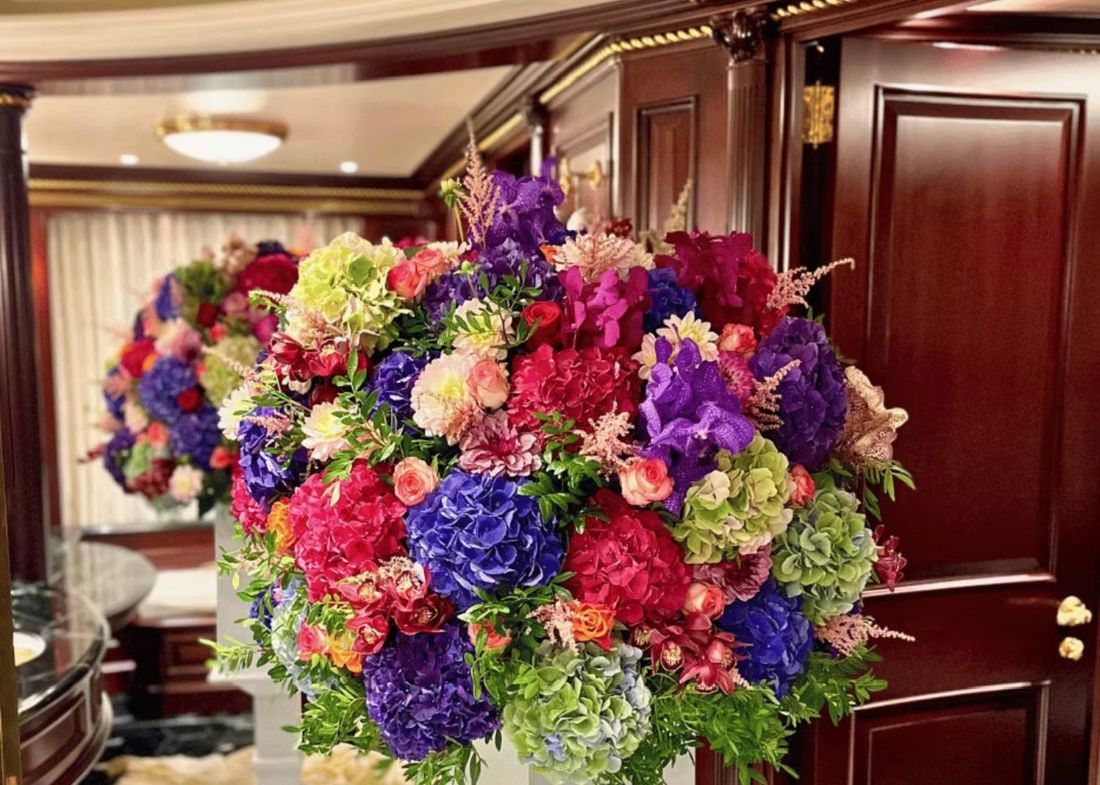
A motor yacht wintering in the Maldives, in the middle of the season. Bought at the auction on the Wednesday, flown out of Schiphol on the Thursday, on board on the Saturday. This is exactly what went, straight off the packing list.
Twenty-four of those 34 lines were living material, and every one of them was declared under its botanical name with the country it was grown in, matching on the invoice, the packing list and the certificate. The other ten were the dry goods, declared as goods. Note the second box. The flowers are only half of a consignment, because the person arranging them on board has no shop to walk to.
They reach the agent 48 hours before the flight lands, so customs already has the file open when the boxes arrive. You never see any of it unless you ask.
Every stem listed under its botanical name, with the country it was grown in. Customs will not accept "mixed flowers".
What is in which numbered box, so nothing has to be opened on the quay to be identified.
The Dutch plant health inspection, signed in Aalsmeer. It is what lets flowers cross a border at all.
The flight itself, addressed to the yacht as stores in transit so the boxes are not treated as an import.
The three lists have to agree with each other, line for line. Getting that right is most of the job, and it is the part that goes wrong when a shipment is arranged by someone who does this once a year.
Most of the Caribbean asks for an import permit before anything can be bought. It takes 5 to 7 working days and it has to be granted first, not chased afterwards. So plan about two weeks ahead of your first order into one of those countries.
Then it is done for the season. The permit fixes a species list and stays on file, so every order after it runs at the normal three days, Monday to Friday. The Maldives, the Seychelles and Thailand work the same way, with one to two weeks for the permit. Planned once, and nobody on board ever sees it. The application has to be made by someone registered in that country, so it goes in through the agent at the other end. We arrange it and we chase it. Nobody on board fills in a form.
Which is why the question we need answered early is never when you want the flowers. It is which port and what date. Tell us in October what the winter looks like and the permits are in place before anyone is waiting on them.
Owner landing tomorrow, charter turning around tonight, or a shipment for New Year in Gustavia. Message us and you get a real person, usually within the hour.